Roof Leak and Ice Dam Water Damage in Eagan, MN
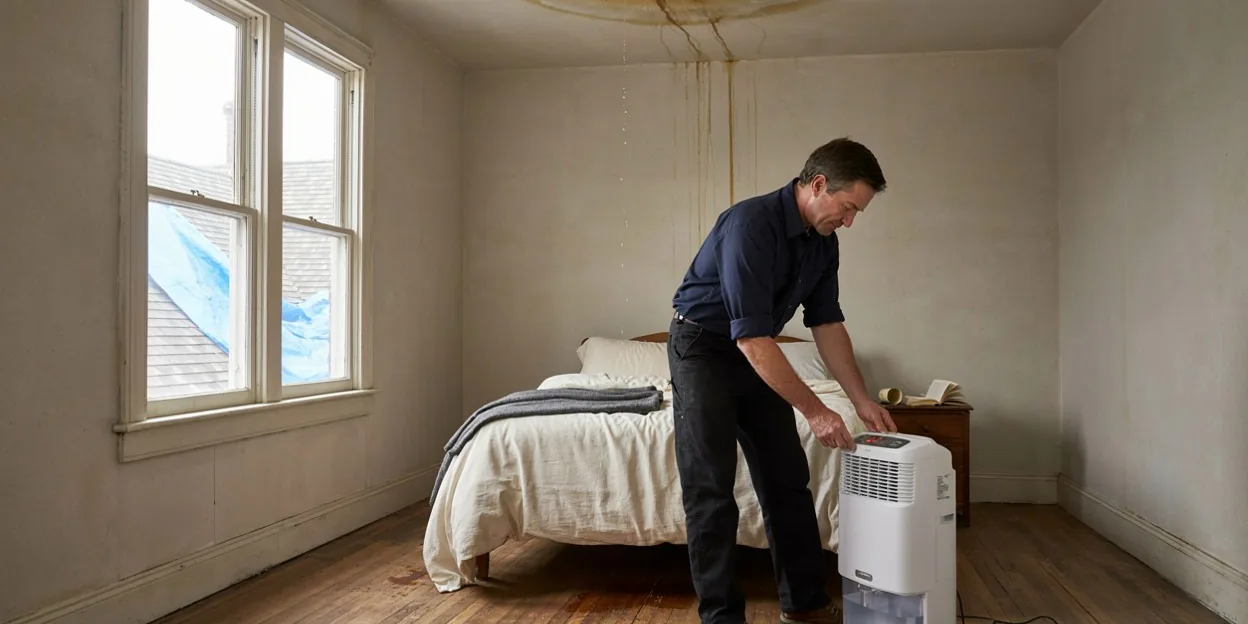
It is the third week of February, the eaves are wearing a foot of ice, and a brown ring has shown up on the bedroom ceiling right where the wall meets it. This morning it dripped. The roof is not torn; the snow on it simply melted from underneath, ran down to the cold edge, froze, and sent the next melt backward under the shingles. This site connects you by phone with an independent local provider who dries out ice dam and roof leak damage in Eagan and across Dakota County.
Tracing the water from the eave to the stain
The crew's job starts where the roofer's ends. A roofer or an ice dam steamer stops new water from coming in. The cleanup crew finds where the water that already came in went. They pull back the attic insulation above the stain and meter the decking, the top plate of the wall, and the drywall on both sides. Ice dam water rarely stops at the ceiling; it runs down inside the exterior wall and shows up at the baseboard a week later.
Then they open the ceiling at the low spot if it is sagging, so the cavity drains and the drywall does not let go on its own, and they set air movers into the wall and the attic space where the readings say the water went.
While the ice is still on the roof
Stay out from under a sagging ceiling and do not poke it. Set a bucket, move the bed, and photograph the stain each day so you have a record of it growing. Do not climb up to chip the ice; call a roofer or an ice dam removal service for that, and say so when you call here so the provider knows the source is being handled. If the water reached an outlet or a light fixture, shut off that circuit. If the attic is accessible, a quick look with a flashlight at the insulation tells you how much came in.
Insulation, drywall, and paint: what dries and what does not
Blown or batt insulation that got wet comes out, because it mats down, stops insulating, and holds water against the ceiling below. Ceiling drywall that sagged or bubbled comes out too. Drywall that only stained and metered dry can be sealed and painted once the cavity above it is dry. The wall below often dries in place with an air mover if the crew reaches it early; if the base metered wet for days, the bottom two feet come off along with the insulation behind it. Structural drying carries the attic and the wall through to dry readings before anyone paints.
Water that came through a ceiling and onto a floor becomes a floor job too. Carpet on the main level of a split-level is handled the same way as water extraction after a pipe failure.
Why Eagan roofs leak in February and again in June
Ice dams are a warm-attic problem, and the split-levels and two-stories built here from the 1970s through the 1990s have plenty of them: shallow attic spaces over the upper level, insulation that has settled over forty years, and bathroom fans that vent into the attic instead of through the roof. Heat leaks up, the snow melts from the bottom, and the meltwater refreezes at the eave. The winter of 2022-23 dropped 90 inches on the Twin Cities, third most on record, and the ice that season took ceilings across Dakota County.
Summer brings the other kind of roof leak. Thunderstorms that cross the south metro carry hail and straight-line wind, and a roof that lost shingles in June takes the next storm's rain straight into the attic. Either way, the interior job is the same: find the wet insulation, dry the cavity, and keep the ceiling from coming down.
Sudden roof damage from wind or hail is often covered under a homeowner policy, and ice dam damage often is as well, though some policies treat it as maintenance. This site cannot read your policy and makes no promise. Have the crew photograph the attic and log the readings so your adjuster has the file.
When you call about a stained ceiling
Say whether the roof is leaking now, whether there is ice on the eaves, and whether anyone has been called to deal with the roof. Mention if the ceiling is sagging or the drip has reached a floor below. Call (651) 433-7589.